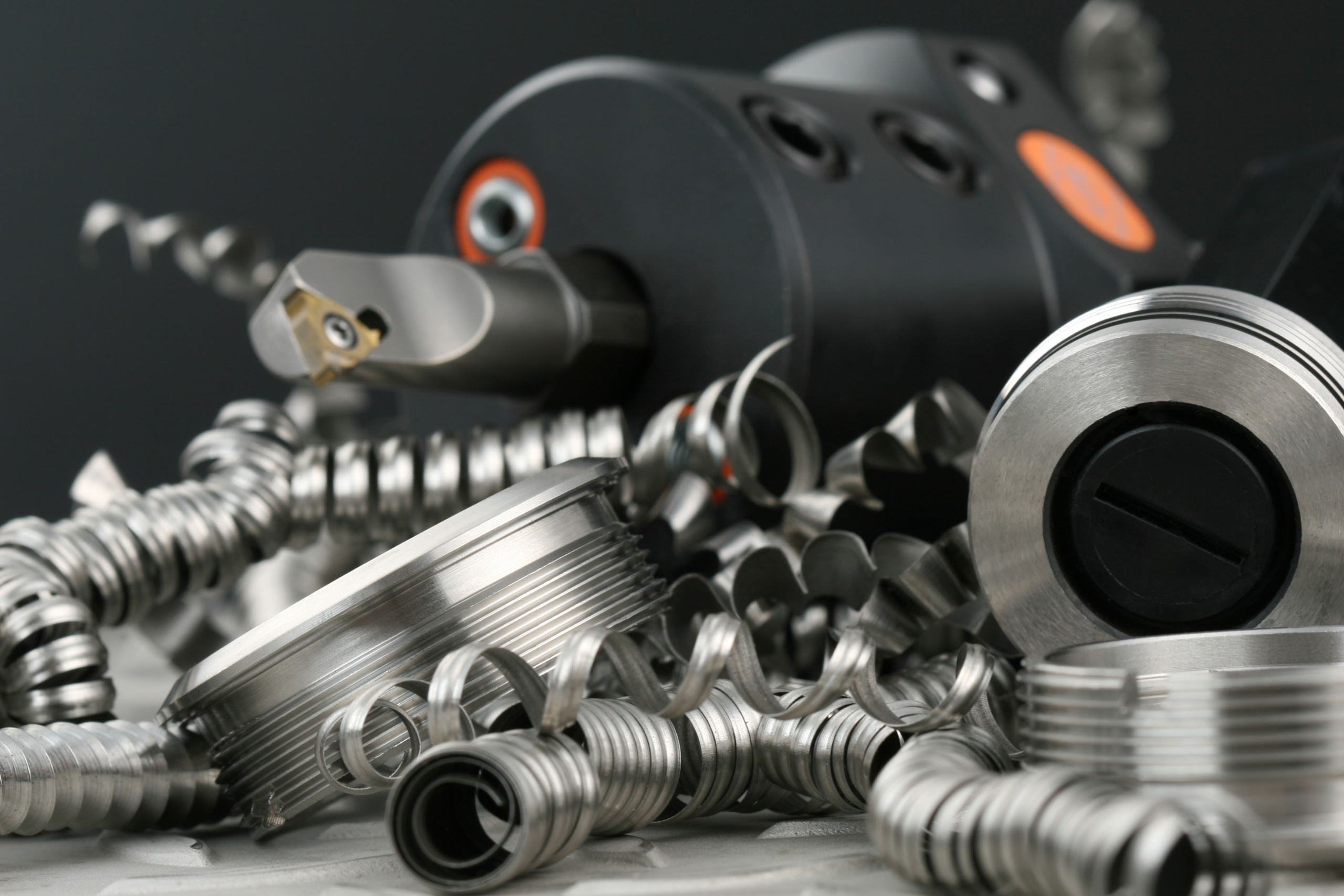
Precision and efficiency are essential in modern industrial and trade settings. With increasing demand for high-quality production, businesses are constantly seeking tools and technologies that streamline workflows without sacrificing accuracy. One such innovation is the use of self-feed units. These devices, which automate the feeding of drill bits, reamers, and taps, reduce the need for constant manual pressure from operators. By integrating self-feed mechanisms into projects, industries can achieve higher productivity, more consistent results, and fewer errors caused by human fatigue or inconsistencies.
Adopting these automated solutions can reduce operational costs over time by minimizing material waste and decreasing the need for rework. As technology continues to evolve, industries that embrace automatic feeders gain a competitive edge through faster turnaround times and improved product quality.
1. Large-Scale Metal Fabrication
In many instances, metal fabrication requires repetitive drilling, reaming, or tapping operations that must maintain strict tolerances. Manual operation in such scenarios can quickly lead to inconsistencies, particularly when the volume of work is high. Self-feed mechanisms address this issue by ensuring the drill or tap advances at a consistent rate, producing uniform holes across every workpiece.
The benefits of self-feed units in metal fabrication extend beyond accuracy. By reducing the manual effort required for each operation, these units allow operators to focus on setup and inspection, minimizing the risk of errors or misalignment. This also decreases operator fatigue, which can further improve output and reduce the likelihood of mistakes during long production runs.
Automatic feeders often come with adjustable feed rates and pressure settings. This allows fabricators to tailor the process for different metal thicknesses and hardness levels, ensuring the best balance between speed and precision. The result is a smoother workflow, higher production rates, and more consistent quality across every part fabricated. This adaptability also allows shops to handle a wider variety of projects without extensive retraining or downtime.
2. Custom Woodworking Projects
Woodworking that involves large panels or multiple identical pieces can benefit significantly from the precision offered by automatic feeders. When creating furniture, cabinetry, or complex wooden components, maintaining consistent hole placement and depth is critical. Manual drilling can easily produce small errors that accumulate, leading to misaligned joints or uneven assemblies.
Self-feed mechanisms provide controlled, uniform advancement of the drill, which ensures that every hole is perfectly positioned and the correct depth is achieved. This is particularly helpful for projects that involve doweling, mortise and tenon joints, or hardware installation, where precision is crucial for assembly and durability.
The automation offered by self-feed units allows woodworkers to work more efficiently, completing repetitive tasks faster while reducing the risk of material waste. For businesses or hobbyists producing multiple copies of a piece, this combination of accuracy and speed translates into higher throughput and improved profitability, all without compromising the craftsmanship that custom woodworking demands. This also helps maintain consistent quality across multiple pieces, ensuring that each finished product meets the same high standards.
3. Industrial Maintenance and Machinery Overhauls
Routine maintenance and overhauls of industrial machinery often involve drilling and tapping new holes for replacement parts, brackets, or fixtures. Ensuring these operations are precise is vital to maintaining equipment integrity and avoiding costly downtime. Self-feed mechanisms play a critical role by automating these repetitive tasks, allowing maintenance teams to work more efficiently and safely.
By providing consistent feed rates and pressure, self-feed units reduce the risk of tool breakage or uneven holes, which can compromise machine alignment. This consistency is particularly important when retrofitting older equipment or working with replacement components that must match original specifications exactly. It also enables maintenance teams to complete projects faster without sacrificing accuracy, keeping machinery operational and minimizing production delays.
According to Straits Research, the global automatic feed drills and tappers market is poised to expand at a CAGR of 5.2% from 2025 to 2033. This growth underscores the increasing reliance on automated drilling solutions in industrial environments, highlighting how automatic feeders are becoming a standard tool for companies aiming to enhance both productivity and precision during maintenance projects.
4. High-Volume Production in Manufacturing
For manufacturing environments, particularly those producing automotive parts, electronics enclosures, or metal fittings, maintaining consistency across hundreds or thousands of pieces is critical. Manual drilling or tapping under such conditions can lead to variations, slowing down production, and increasing rejection rates. Self-feed mechanisms solve this problem by ensuring each operation is performed with uniform force and speed, resulting in identical holes every time.
These units also help reduce bottlenecks in high-volume workflows. By automating the feed process, operators can set up multiple machines simultaneously, monitor operations, and quickly shift between tasks without the fatigue that accompanies manual operation. The efficiency gains directly translate to shorter production cycles and higher overall output.
Self-feed units enhance safety on the production floor. Operators are less likely to experience repetitive strain injuries or accidents caused by sudden tool slips. For manufacturers, this not only protects employees but also ensures minimal downtime and uninterrupted production schedules. Additionally, the consistent performance of automatic feeders helps maintain product quality, building customer trust and reducing returns.
5. Precision Projects in Metalworking Shops
Metalworkers who produce custom components or prototype parts face the dual challenge of speed and precision. For these projects, even small deviations in hole placement or depth can cause significant assembly issues. Self-feed units provide a solution by automating the feed of cutting tools, allowing operators to focus on alignment and quality control rather than the repetitive act of pushing the tool into the material.
The controlled feed of these units minimizes the risk of chatter marks, uneven threading, or over-penetration. This ensures that each part meets exact specifications, which is essential when producing functional prototypes or specialized metal components. As a result, fewer parts are rejected or require rework, saving both time and material costs.
Self-feed mechanisms are adaptable for different tools and materials, allowing shops to switch between projects quickly without extensive retooling. This versatility, combined with the consistent output, makes automatic feeders an indispensable part of precision metalworking operations, where time, quality, and accuracy are all critical. Their reliability also supports better planning and workflow management in busy shop environments.
Self-feed units have transformed how industries approach repetitive drilling, reaming, and tapping operations. By automating the advancement of tools, these units not only improve accuracy but also increase output and efficiency across a variety of projects. From large-scale metal fabrication to delicate custom woodworking, industrial maintenance, high-volume manufacturing, and precision metalworking, the benefits of integrating self-feed mechanisms into workflows are clear and measurable.
As production demands continue to grow and tolerances become tighter, automatic feeders offer a reliable solution for companies seeking to enhance both quality and productivity. The expanding market for these tools reflects their growing importance in modern industrial operations. Investing in auto-feed units allows businesses to streamline operations, reduce errors, and ultimately deliver better products faster—making them an essential tool for any operation where precision and efficiency matter.
Implementing these units supports sustainable production practices by reducing waste and energy consumption. Over time, companies that adopt self-feed mechanisms can expect not only higher quality output but also improved employee satisfaction due to reduced manual strain and fatigue.
Boost your production efficiency and precision with Airmachines.com, Inc. Explore our high-quality self-feed units today and see how they can transform your workflow and output.